Welcome to Jennifer’s Roots, a celebration of family heritage and the stories that connect generations. Alongside treasured history, you’ll find music that brings these traditions to life — from timeless albums that echo our past to joyful songs for kids that inspire the future. Explore, listen, and share in the journey of Jennifer’s heritage. You can click these shortcuts to go directly to Jennifer’s adult and children’s music and videos . Jennifer writes music in many genres such as pop, jazz, country, dance and ballads.
Father’s side: Ostrowski
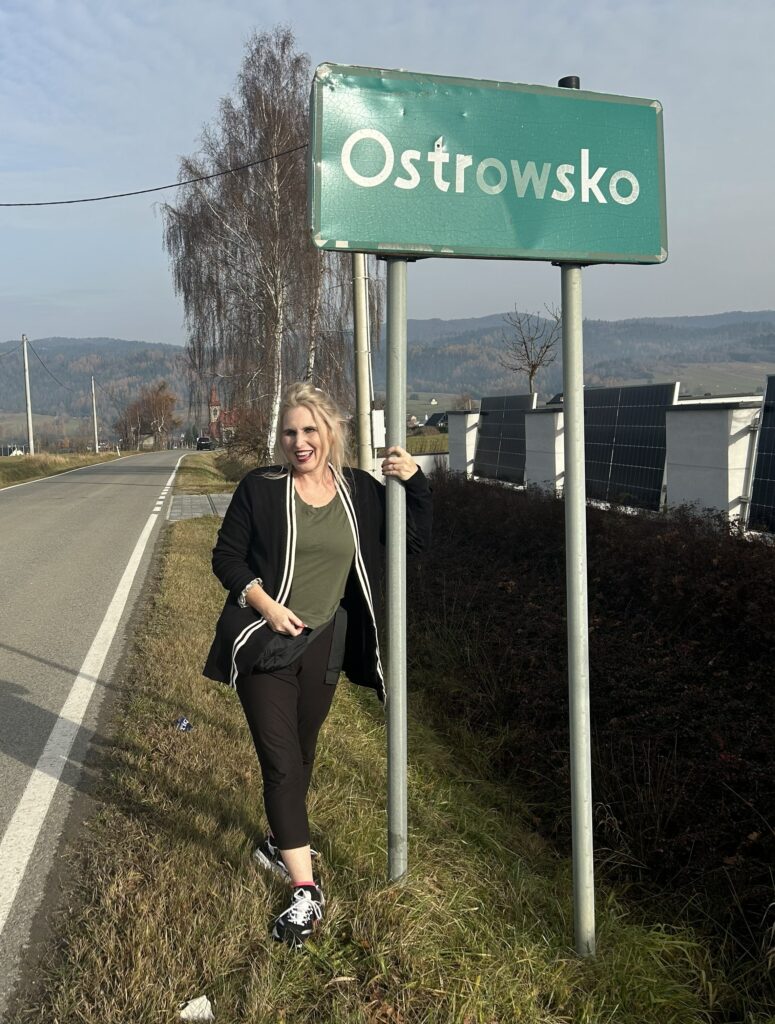
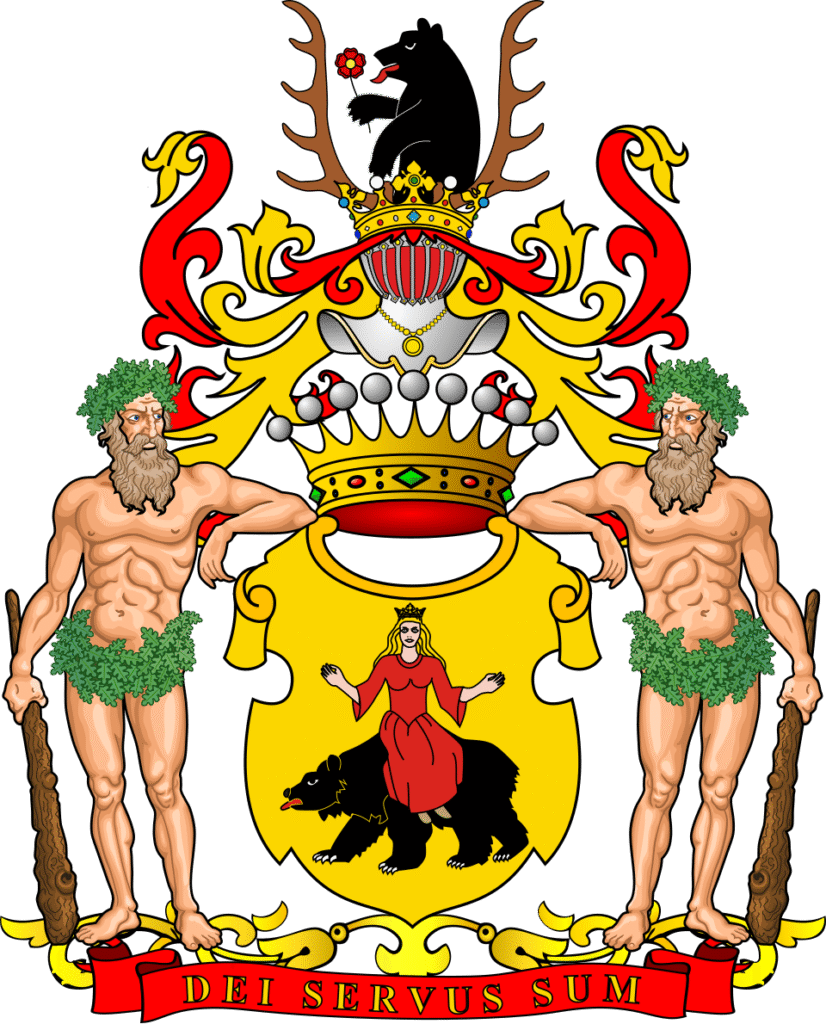
The name Ostrowski carries deep roots in Polish history and culture. Derived from the word ostrów, meaning “island” or “settlement near water,” the surname often identified families who lived by rivers or lakes in Poland. Over generations, the Ostrowski name became associated with resilience, community, and a strong connection to the land. Many who bear the name can trace their ancestry to regions rich in tradition, where music, craftsmanship, and faith were central to daily life.
Celebrating her Polish ancestry through the Ostrowski name, Jennifer honors a legacy of perseverance and pride. Like countless families who emigrated from Poland, her ancestors carried with them stories of hard work, devotion to family, and a love of heritage that continues to inspire today. By sharing this history, she hopes to connect with others who value the richness of cultural identity and the enduring spirit of Polish roots.
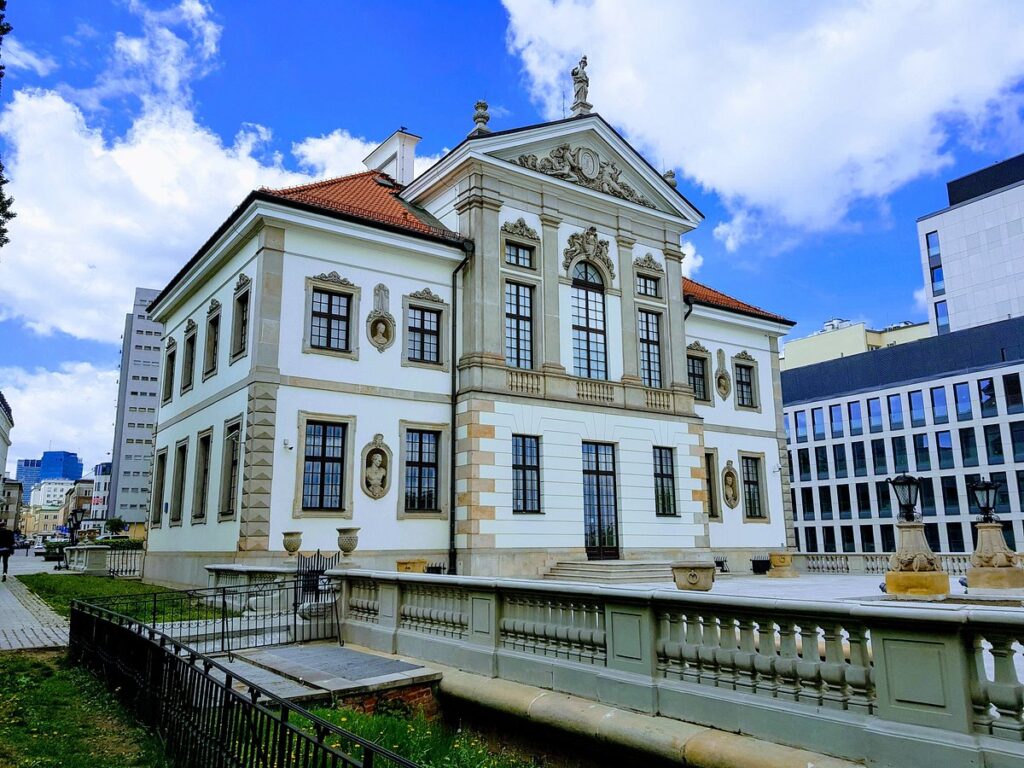
The Ostrowski name comes from her father’s side of the family. The surname is toponymic, derived from several towns in Poland named Ostrów or Ostrowo. A notable landmark connected to the Ostrogski family is the Ostrogski Palace in Warsaw, now home to the Fryderyk Chopin Museum.”
Towns Named Ostrów/Ostrowo
The surname Ostrowski is toponymic, meaning it comes from place names. Several towns and cities in Poland carry the name Ostrów or Ostrowo, including:
- Ostrów Wielkopolski – a major city in Greater Poland Voivodeship, with over 70,000 residents.
- Ostrów Mazowiecka – located in the Masovian Voivodeship.
- Ostrów Lubelski – in Lublin Voivodeship.
- Ostrów Świętokrzyski – in Świętokrzyskie Voivodeship.
- Ostrów (near Ropczyce) – in Subcarpathian Voivodeship.
- Ostrów (near Przeworsk) – also in Subcarpathian Voivodeship.
- Ostrowo – several villages across Greater Poland and Kuyavian-Pomeranian Voivodeships.
Mother’s Side: Smyth
✍️ Smyth Roots (Mother’s Side)
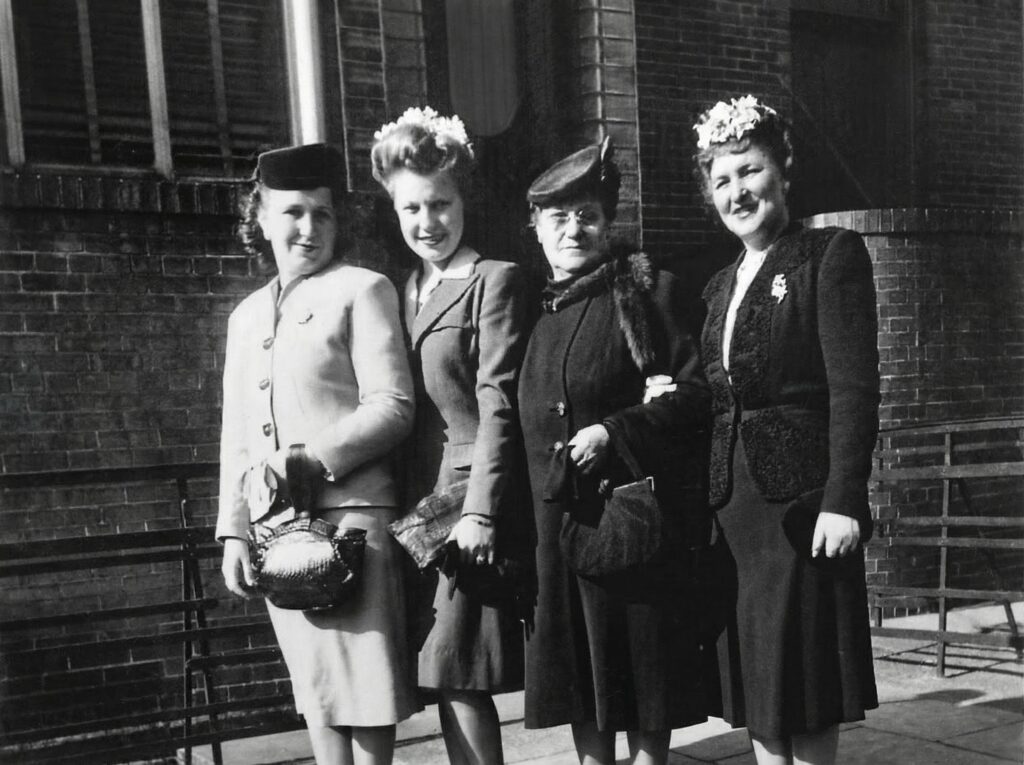
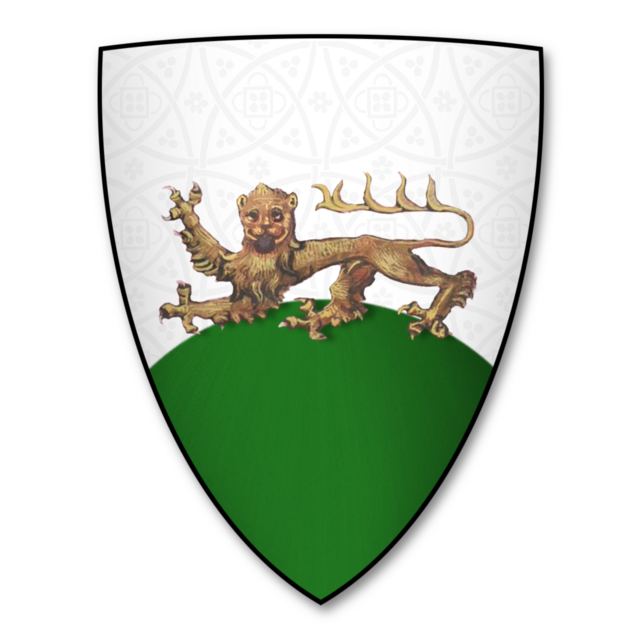
On her mother’s side, the Smyth name reflects deep Irish roots. Derived from the Gaelic Mac an Ghabhainn (“son of the smith”), it honors the blacksmiths who were vital to medieval Irish society. The Smyth family established estates in County Westmeath, including Gaybrook House, and the surname remains one of Ireland’s most common. Their crest, marked by blacksmith hammers and a protective chevron, symbolizes resilience, craftsmanship, and strength.
Beyond their role as artisans, the Smyths were often community leaders, providing tools essential for farming, defense, and trade. Records trace branches of the family through the Anglo‑Norman period, where the name adapted into English spellings but retained its Gaelic identity. The Smyth legacy is tied to Ireland’s agrarian heartland, where their work supported both noble households and common farmers.
Jennifer’s mother carried this heritage across the Atlantic, emigrating from Ireland with just “100 dollars and a suitcase” at the age of 18. Her journey reflects the enduring spirit of the Smyth line — resourceful, determined, and proud of a lineage that forged both iron and opportunity.
🏡 Notable Smyth Estates in Ireland
- Gaybrook House (County Westmeath)
- The senior branch of the Smyth family settled here by the late 18th century.
- Built by Ralph Smyth around 1790, it was a major estate with extensive lands in Westmeath and Antrim.
- Though the “Big House” was demolished in the 1960s, the cut‑stone stable yard and walled garden remain as historical markers.
- Drumcree Estate (County Westmeath)
- Another Smyth branch held lands here in the 19th century.
- Associated with the same lineage descending from Bishop William Smyth (d. 1698).
- Ballynagall Estate (County Westmeath)
- A Smyth family property noted in mid‑19th century records.
- Part of the network of Smyth holdings across Westmeath.
- Glananea and Barbavilla Estates (County Westmeath)
- Additional Smyth family estates, showing the breadth of their landholdings in the region.
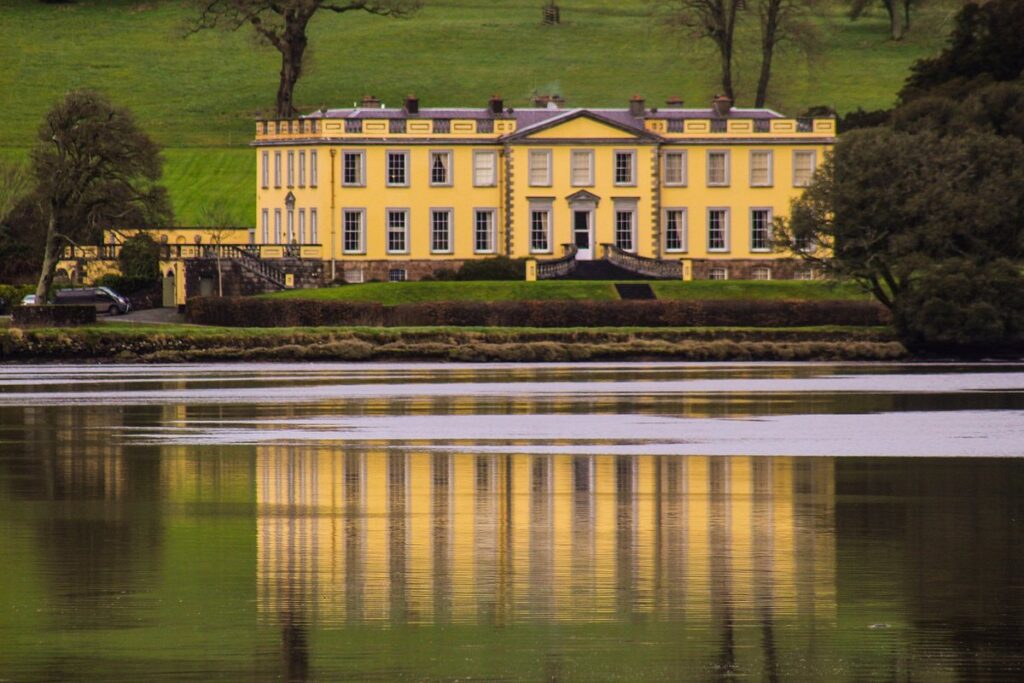
- Ballynatray House (County Waterford)
- Associated with the Holroyd‑Smyth family.
- Built on the foundations of a medieval castle, it reflects the Smyths’ extended influence beyond Westmeath.